

When it comes to pain control, lidocaine powder has been a game-changer in a number of dentistry and medical treatments. By obstructing the transmission of pain impulses and nerve signals, this potent chemical provides localized numbness and short-term comfort. Both patients and healthcare providers must be aware of the mechanism of action underlying the efficacy of lidocaine powder. This blog post will provide an overview of lidocaine powder, how it works to block pain signals, and some of the pros, disadvantages, and other medical considerations around its use.
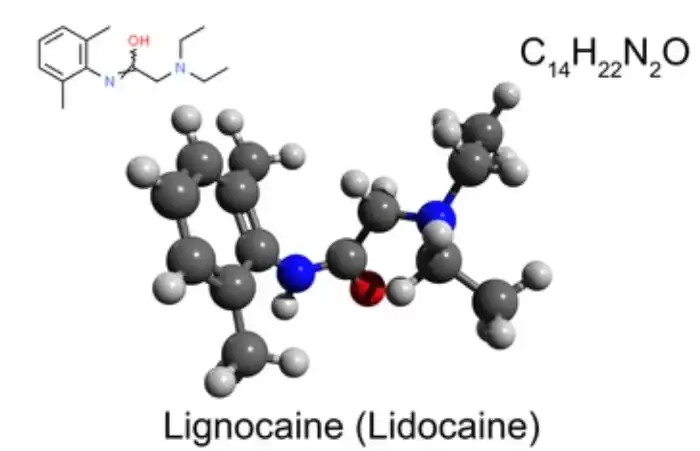
Powdered lidocaine, or lignocaine, has the molecular formula C14H22N2O with a MW of 234.34. A local anesthetic is injected. The presence of an aromatic ring connected to an amide group in its molecular structure is crucial to its anesthetic characteristics. By binding to sodium channels on nerve cells, lidocaine blocks the conduction of pain impulses in this precise arrangement. The white crystalline powder known as lidocaine has several dental and medicinal uses because to its high water solubility. We can learn more about the mechanism of action and possible interactions between lidocaine powder and other compounds in the body by analyzing its chemical structure.
The localization of lidocaine powder to the membranes of nerve cells is the mechanism by which it produces anesthesia. Lidocaine molecules attach to the inner region of sodium channels after penetrating cell membranes when applied locally. Sodium ions are essential for the creation and transmission of action potentials along nerve fibers; yet, their entry is effectively blocked by this binding action. Powdered lidocaine blocks sodium ion flow, which disrupts normal neuronal electrical activity and blocks pain signals from reaching the brain. The capacity of lidocaine to produce localized analgesia and alleviate pain is based on this interaction at the molecular level. Lidocaine powder's usefulness in dentistry and medicine stems from the fact that its binding is reversible, which enables the numbing effect to be both temporary and controlled.
Lidocaine powder's pharmacokinetics are significant to its local anesthetic efficacy. After an injection or topical application, local tissues absorb lidocaine rapidly. Absorptive capacity and rate are influenced by variables such administration location, solution concentration, and the existence of vasoconstrictors. In the aftermath of absorption, the body disperses the powdered lidocaine and mostly handles it by oxidative destruction in the liver. A short half-life is associated with lidocaine because of its short half-life in the body (around 1.5 to 2 hours). Learning the pharmacokinetics of lidocaine powder helps doctors decide how to give the patient the medicine most effectively. Safe and effective anesthetic administration is extremely challenging without this knowledge. Lidocaine powder is a common choice for therapeutic usage due to its rapid absorption and metabolism and relatively benign safety profile.
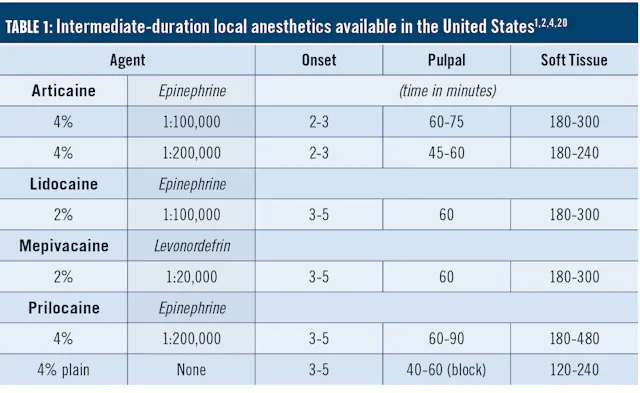
One of the most popular local anesthetics is lidocaine powder because of how effective it is. It takes 5-10 minutes for lidocaine to start working after administration, unlike other local anesthetics as ropivacaine or bupivacaine. After surgery or in an emergency, when pain management is required instantly, this quick onset is a godsend. Lipocaine powder is an effective anesthetic for many minor dental and surgical procedures due to its mild duration of about one to two hours. Lidocaine is a safe and adaptable pain treatment due to its low toxicity. Even if there are newer local anesthetics with longer-lasting effects, lidocaine remains popular among medical professionals due to its safety record and extensive research on its pharmacological features. Lidocaine powder's comparative efficacy highlights its enduring significance in current dental and medical treatment.
Medical professionals frequently utilize lidocaine powder due to its relative safety when administered correctly. Still, it's possible for medication to have unwanted side effects. The most frequently reported minor side effects of lidocaine include skin irritation at the injection site, transient numbness, or tingling. Lightheadedness, drowsiness, or changes in heart rate are rare systemic adverse effects of lidocaine when given at the prescribed dosages. Even though lidocaine allergies are extremely rare, they can have fatal consequences in a small number of persons. Patients with specific cardiovascular conditions may benefit from lidocaine over other local anesthetics due to its reduced risk of cardiac damage. There will be less chance of accumulation and long-term negative effects due to the short half-life of lidocaine powder. Its already excellent reputation for safety is even better now. When administering lidocaine powder, medical professionals must take each patient's unique characteristics and medical history into account to guarantee the drug's maximum safety and effectiveness.
Understanding the potential drug interactions and contraindications of lidocaine powder is crucial for its safe and effective use. Lidocaine may interact with various medications, particularly those that affect liver function, as the liver is primarily responsible for metabolizing lidocaine. Drugs that inhibit cytochrome P450 enzymes, such as cimetidine or beta-blockers, can potentially increase lidocaine levels in the blood, enhancing its effects and the risk of toxicity. Conversely, medications that induce these enzymes may decrease lidocaine's effectiveness. Lidocaine powder should be used with caution in patients with liver disease, severe heart conditions, or certain neurological disorders. It is contraindicated in individuals with known hypersensitivity to amide-type local anesthetics. Pregnant women should consult their healthcare provider before using lidocaine, as its safety during pregnancy has not been definitively established. When administering lidocaine powder, healthcare professionals must carefully consider these potential interactions and contraindications to ensure patient safety and optimize treatment outcomes.
New and improved ways of administering lidocaine powder are appearing as the area of pain management undergoes constant change. The use of lidocaine powder-infused transdermal patches, which provide sustained release of the anesthetic for longer pain relief, is an interesting breakthrough. Patients suffering from chronic pain may find these patches to be an especially helpful non-invasive alternative to injections. The use of nanoparticle formulations that contain lidocaine powder is another potential strategy for improving the drug's targeted distribution to painful areas and increasing its penetration into the skin. For the purpose of managing pain following surgery, researchers are also looking into hydrogels filled with lidocaine, which can keep the site wet while releasing the anesthetic in a controlled fashion. Future pain management tactics may benefit from these innovative delivery systems, which seek to maximize lidocaine powder's effectiveness while reducing systemic absorption and any side effects.
Using lidocaine powder in conjunction with other analgesics to their full potential is the wave of the future when it comes to pain management. To achieve both local anesthetic and anti-inflammatory effects, a topical formulation combining lidocaine powder with NSAIDs is a potential option. When it comes to musculoskeletal discomfort, this dual-action strategy can work wonders. To further reduce opioid dosages while also minimizing the danger of addiction and negative effects, the combination of lidocaine powder with opioid drugs is another topic of investigation. To further improve lidocaine's analgesic effects, researchers are looking at the possibility of mixing it with natural substances like capsaicin or menthol. With the goal of enhancing patient results, these combination medicines attempt to give more thorough pain management options by tackling numerous pain pathways concurrently. Lidocaine powder, in conjunction with other therapeutic drugs, is expected to be a part of increasingly complex and individualised pain management procedures as this field of study advances.
Research and interest in lidocaine powder's potential use in the treatment of chronic pain is on the rise. The potential of lidocaine in the management of chronic pain problems is being investigated more and more, despite the drug's traditional use for acute pain relief. A potential use for lidocaine patches or topical preparations is the alleviation of neuropathic pain; these methods offer an alternative to oral drugs that are known to cause systemic side effects. Lidocaine powder is being studied by researchers as a possible alternative to opioids for the management of chronic postoperative pain. Research into the efficacy of lidocaine powder in alleviating the pain experienced by patients with advanced cancer is ongoing within the palliative care community. Further, lidocaine infusions are gaining popularity as a treatment for chronic pain disorders that have not responded to conventional methods. Because of its adaptability, lidocaine powder may find new uses in the treatment of fibromyalgia, complicated regional pain syndrome, and persistent low back pain as our knowledge of the mechanisms behind chronic pain grows. In light of these new uses, lidocaine powder may soon be an integral part of all-encompassing plans to alleviate chronic pain.
An important part of pain management in many different medical and dental specialties is lidocaine powder, which has shown to be a flexible and powerful local anesthetic. It has become an essential tool for healthcare providers due to its capacity to inhibit nerve signals and pain transmission. Lidocaine powder shows promise for the future of pain management as researchers find novel uses and ways to distribute it. Anesthetic innovation continues to push lidocaine powder to new heights, with new formulations, combination therapies, and possible uses in chronic pain problems. New developments in the mechanism of pain and methods of therapy will surely lead to greater patient care and pain alleviation with the continued evolution of lidocaine powder.
A leading high-tech company specializing in the development, manufacturing, processing, and distribution of natural plant extracts and intermediates, Xi'an Salis Biological Co., Ltd. has been in operation since 2023. Our 10,000 square meter state-of-the-art facility and strategic location demonstrate our commitment to offering our worldwide customers with high-quality APIs. Matrine, ciprofloxacin, niclosamide, ibuprofen, and tadalafil are just a few of the many medications we provide. Our strengths lie in our ability to collaborate on the development of novel, commercially viable products and in our skill in producing customized items. All stages of manufacturing are subject to the strictest quality control measures since our quality system is up to par with global standards. Our unwavering commitment at Salis is to create groundbreaking medications that improve people's lives across a wide range of medical specialties, including cancer, autoimmune diseases, metabolism, and ophthalmology. For more information or inquiries, please contact us atsasha_slsbio@aliyun.com.
A: The numbing effect of lidocaine powder usually lasts between 1-2 hours, depending on the concentration and method of application.
A: While some over-the-counter products contain lidocaine, it's important to consult a healthcare professional before using lidocaine powder for at-home pain relief.
A: Lidocaine powder should be used with caution in young children and elderly patients. Always consult a healthcare provider for appropriate dosing based on age and health status.
A: The safety of lidocaine powder during pregnancy is not definitively established. Pregnant women should consult their healthcare provider before using lidocaine.
A: Unlike some other medications, lidocaine powder does not typically lead to tolerance development with repeated use.
1. Becker, D. E., & Reed, K. L. (2006). Essentials of local anesthetic pharmacology. Anesthesia Progress, 53(3), 98-109.
2. Catterall, W. A., & Mackie, K. (2011). Local anesthetics. In L. L. Brunton, B. A. Chabner, & B. C. Knollmann (Eds.), Goodman & Gilman's The Pharmacological Basis of Therapeutics (12th ed., pp. 565-582). McGraw-Hill.
3. Dillane, D., & Finucane, B. T. (2010). Local anesthetic systemic toxicity. Canadian Journal of Anesthesia, 57(4), 368-380.
4. Heavner, J. E. (2007). Local anesthetics. Current Opinion in Anaesthesiology, 20(4), 336-342.
5. McLure, H. A., & Rubin, A. P. (2005). Review of local anaesthetic agents. Minerva Anestesiologica, 71(3), 59-74.
6. Tetzlaff, J. E. (2000). The pharmacology of local anesthetics. Anesthesiology Clinics of North America, 18(2), 217-233.